
Exploring the Culinary Delights of Jerusalem's Bazaars From 2000 Years Ago
- Matthew Riter
- Oct 11, 2025
- 4 min read

Updated: Nov 18, 2025
Jerusalem, known for its rich history and spirituality, was more than just a religious hub. Two thousand years ago, its bazaars buzzed with life, filled with the enticing aromas of diverse foods. This post invites you to discover the culinary landscape of Jerusalem's bazaars, highlighting the ingredients and dishes that were staples for its inhabitants.
The Bazaars: A Melting Pot of Cultures
Jerusalem's bazaars served as vibrant marketplaces where merchants from various cultures came to sell their goods. The food available reflected this diversity, featuring local produce alongside items imported from far-off lands like Egypt and Persia. But the bazaars were not merely shopping venues; they were social hubs where communities gathered to share news and food.
The lively atmosphere was complemented by the sounds of negotiation and laughter, with stalls overflowing with fresh produce, colorful spices, and tempting baked goods. Navigating the narrow alleyways, one could find everything from aromatic herbs to sweet treats, each telling a story of its own.

Staple Foods of the Time
Grains and Legumes
Grains formed the backbone of Jerusalem's diet. Wheat and barley were primarily used for making flatbreads, a staple that often accompanied meals. According to historical records, the average daily intake of bread was roughly 500 grams, highlighting its importance as a primary energy source.
Legumes like lentils and chickpeas provided essential proteins. Known for their affordability and nutrition, lentils were often cooked into hearty stews. For instance, a simple lentil stew was a daily choice for many families, as it could be prepared in under an hour and served alongside bread, making it both filling and economical.
Fruits and Nuts
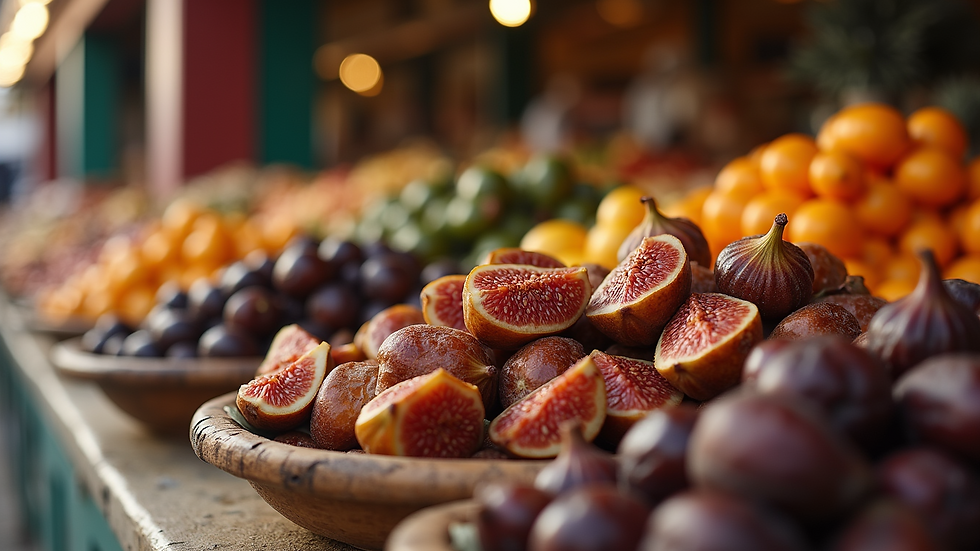
The bazaars overflowed with fresh fruits like figs, pomegranates, and grapes. Figs were especially popular, with records indicating that they were consumed both fresh and dried. Dried figs were a crucial aspect of the diet, providing natural sugar and energy, especially during long journeys.
Nuts, particularly almonds and walnuts, were frequently seen in stalls. They were either enjoyed as snacks or incorporated into dishes for added texture. For example, a typical dish might include a combination of almonds and figs, showcasing the harmony of flavors that defined Jerusalem's culinary scene.
Spices and Herbs
The abundance of spices and herbs in Jerusalem's bazaars was remarkable. Common spices like cumin, coriander, and dill were essential in enhancing food flavors and were often sold in small fabric bags. Historical accounts show that even a simple meal of lentils could be transformed with the addition of ground cumin.
Fresh herbs such as parsley and mint were in high demand. Mint, for example, would often be sprinkled over meals to provide a fresh contrast to the rich flavors of stews and other dishes. These herbs not only added taste but also offered digestive benefits, reflecting the holistic approach to health in that era.
Traditional Dishes
Pottage and Stews
Pottage, a thick stew made from grains, legumes, and vegetables, was a prevalent dish. Families often prepared it with whatever ingredients were available, and it served as a satisfying meal. On average, pottage recipes would combine a variety of legumes and seasonal vegetables, creating a colorful and nutritious dish served with freshly baked bread.
Stuffed Vegetables
Another popular dish featured stuffed vegetables, such as grape leaves and peppers filled with a mixture of rice, herbs, and occasionally meat. The preparation process was both an art and a communal activity. Families often gathered to prepare these meals together, preserving traditional recipes passed down through generations.
Sweet Treats
Desserts were an essential part of the culinary culture, with honey being a favored ingredient. Locally sourced honey sweetened a variety of confections, like nut bars made from crushed nuts and figs, which were often shared during celebrations. For example, during festival times, the sweet dishes were abundant, symbolizing joy and community spirit.
The Role of Food in Community
Food played a vital role in the social fabric of Jerusalem. Meals were often shared among families and friends, fostering connections and a sense of belonging. Preparing and sharing food was central to the culture, reflecting values of hospitality and generosity.
The bazaars served as key locations for these interactions. People exchanged not only food but also stories, building friendships that lasted a lifetime. The culinary traditions established in ancient Jerusalem continue to influence modern cuisine, showcasing the city’s legacy in shaping culinary culture.
A Journey Through Time
Exploring the flavors of Jerusalem's bazaars during the time of Issa reveals much about the daily lives of its people. From the essential grains and legumes to the colorful spices and rich dishes, Jerusalem's food culture was diverse and deeply connected to the community.
Today, as travelers and food lovers, we can appreciate the lasting impact of these culinary traditions. The bazaars of Jerusalem were more than marketplaces; they represented vibrant cultural centers filled with history and the joy of shared experiences.
In our fast-paced world, the act of sharing food continues to unite us, echoing the traditions of those who walked Jerusalem's streets over 2000 years ago.


Comments