
Exploring Morocco's Culinary Heritage and the Magic of Its Signature Spices
- Matthew Riter
- Dec 8, 2025
- 4 min read

Updated: Dec 10, 2025
Morocco's cuisine is a rich reflection of its history, culture, and geography. The country's culinary traditions have evolved over centuries, shaped by diverse influences from Berber, Arab, Mediterranean, and African cultures. Central to Moroccan cooking are its signature spices, which create the bold, aromatic flavors that define many dishes. This post unpacks the history behind Morocco's food culture and highlights the key spices that bring its recipes to life.
The Historical Roots of Moroccan Cuisine
Morocco’s location at the crossroads of Africa, Europe, and the Middle East has made it a melting pot of culinary influences. The indigenous Berber people laid the foundation for many traditional dishes, using local ingredients like grains, olives, and dates. Over time, Arab traders introduced new spices and cooking techniques, while the Mediterranean brought fresh seafood and herbs.
The arrival of the Phoenicians, Romans, and later the French and Spanish colonizers further diversified Moroccan food. Each group contributed ingredients and methods that blended into the local cuisine. For example, the use of preserved lemons and olives reflects Mediterranean influence, while the complex spice blends owe much to Arab traders.
Moroccan cuisine also reflects the country’s geography. The Atlas Mountains provide fresh herbs and game, while the Sahara Desert influences the use of dried fruits and nuts. Coastal regions contribute seafood, making Moroccan food a diverse and regionally varied experience.
Signature Spices That Define Moroccan Flavors
Moroccan cooking is famous for its bold and fragrant spice blends. These spices are not only used for flavor but also for their preservative and medicinal qualities. Here are some of the most important spices and blends that shape Moroccan dishes:
Ras el Hanout
Often called the "top of the shop," Ras el Hanout is a complex spice blend that can contain over a dozen ingredients. It typically includes:
Cumin
Coriander
Cinnamon
Cloves
Cardamom
Nutmeg
Turmeric
Paprika
Black pepper
Dried rosebuds
Each vendor has their own recipe, making Ras el Hanout unique and highly prized. It is used in tagines, couscous, and grilled meats, adding depth and warmth.
Cumin
Cumin is a staple in Moroccan kitchens. Its earthy, slightly bitter flavor enhances stews, soups, and meat dishes. Ground cumin is often toasted to release its aroma before being added to recipes.
Saffron
Saffron is one of the most expensive spices in the world and is used sparingly in Moroccan cooking. It adds a subtle floral aroma and a golden hue to dishes like couscous and seafood tagines.
Paprika and Smoked Paprika
Paprika adds a mild sweetness and vibrant color. Smoked paprika, less common but still used, imparts a smoky depth to grilled meats and vegetable dishes.
Ginger and Turmeric
Ginger provides a warm, spicy note, while turmeric adds earthiness and color. Both are common in spice blends and marinades.
Cinnamon
Cinnamon is used in both savory and sweet dishes. It pairs well with lamb and chicken and is a key ingredient in many Moroccan desserts.
How These Spices Shape Moroccan Dishes
Moroccan cuisine balances sweet, savory, and spicy flavors. The spices create layers of taste that make each dish memorable. Here are some examples of how these spices are used:
Tagine: This slow-cooked stew often combines meat, vegetables, dried fruits, and nuts. Ras el Hanout and cinnamon give it a rich, aromatic profile.
Couscous: The national dish, couscous is often served with spiced vegetables and meat, flavored with cumin, turmeric, and saffron.
Harira: A hearty soup made with lentils, chickpeas, and tomatoes, seasoned with ginger, cinnamon, and coriander.
Pastilla: A savory pie that blends sweet and savory with cinnamon, saffron, and powdered sugar dusted on top.
These dishes showcase how Moroccan spices create harmony between contrasting flavors.

Practical Tips for Using Moroccan Spices at Home
Bringing Moroccan flavors into your kitchen is easier than you might think. Here are some tips to get started:
Start with Ras el Hanout: Buy a good quality blend or make your own by mixing cumin, coriander, cinnamon, and paprika. Use it to season roasted vegetables or grilled chicken.
Toast whole spices: Toast cumin seeds or coriander seeds in a dry pan before grinding to release their oils and deepen flavor.
Use saffron sparingly: Soak a few threads in warm water before adding to dishes to maximize color and aroma.
Balance spices with sweetness: Add dried fruits like apricots or raisins to dishes to complement the warm spices.
Experiment with tagines: If you don’t have a tagine pot, use a heavy-bottomed pot with a lid to slow-cook stews with Moroccan spices.
These simple steps can help you create authentic Moroccan tastes in your own meals.

The Cultural Significance of Spices in Morocco
Spices in Morocco are more than just flavoring agents. They carry cultural and social meaning. Sharing a meal seasoned with traditional spices is a way to connect with family and community. Spices also play a role in celebrations and rituals, symbolizing hospitality and generosity.
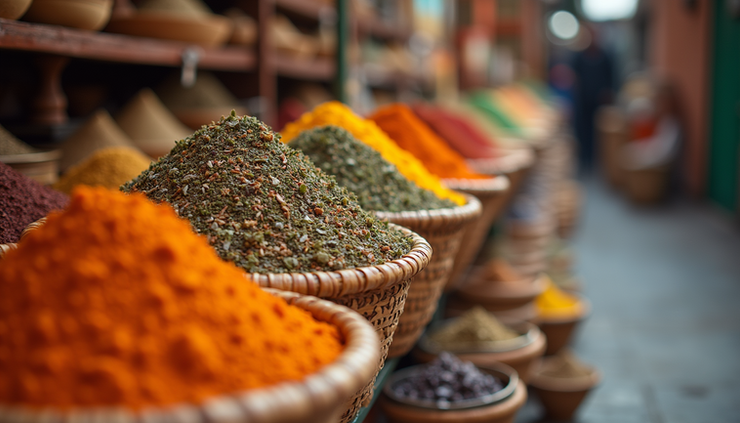
The spice trade historically brought wealth and cultural exchange to Morocco. Markets or souks dedicated to spices remain vibrant centers of commerce and tradition. Visitors to Moroccan cities often find themselves drawn to these colorful stalls, where the scent of cinnamon, cumin, and saffron fills the air.
Bringing Moroccan Flavors to Your Table
Exploring Moroccan cuisine offers a window into the country’s history and culture. The signature spices tell stories of trade, migration, and adaptation. By learning about these spices and how to use them, you can enjoy the rich flavors of Morocco in your own kitchen.
Try incorporating Ras el Hanout into your next stew or sprinkle cumin on roasted vegetables. Experiment with saffron in rice dishes or add cinnamon to lamb recipes. These spices will transform simple ingredients into dishes full of warmth and character.
Morocco’s culinary heritage invites you to taste its past and celebrate its present. Embrace the spices, savor the flavors, and discover the joy of Moroccan cooking.


Comments