
Unlocking the Healing Power of Herbs and Spices in Ayurvedic Medicine
- Matthew Riter
- Oct 17, 2025
- 3 min read

Updated: Nov 18, 2025
Ayurvedic medicine, an ancient system of healing that originated in India over 3,000 years ago, emphasizes the balance of body, mind, and spirit. Central to this holistic approach are herbs and spices, which are not only used for flavoring food but also for their therapeutic properties. This blog post explores the rich world of Ayurvedic herbs and spices, their benefits, and how they can be integrated into daily life for improved health and well-being.
The Essence of Ayurveda
Ayurveda is built on the belief that health is a state of balance among the body, mind, and spirit. It categorizes individuals into three primary doshas: Vata, Pitta, and Kapha, each representing different physical and emotional characteristics. Understanding one’s dosha is crucial for selecting the right herbs and spices that can help restore balance and promote healing.
The Role of Herbs and Spices
Herbs and spices play a vital role in Ayurvedic medicine. They are used to enhance digestion, boost immunity, and alleviate various ailments. Each herb and spice has unique properties that can influence the body in different ways. For instance, some may have anti-inflammatory effects, while others may act as antioxidants or support mental clarity.
Popular Ayurvedic Herbs
1. Ashwagandha
Often referred to as "Indian ginseng," Ashwagandha is renowned for its adaptogenic properties, helping the body manage stress. It is believed to enhance energy levels, improve concentration, and promote overall vitality. Regular consumption can lead to improved mental clarity and reduced anxiety.

2. Turmeric
Turmeric, with its active compound curcumin, is celebrated for its anti-inflammatory and antioxidant properties. It is commonly used in Ayurvedic practices to support joint health, improve digestion, and enhance skin health. Incorporating turmeric into meals or consuming it as a supplement can provide numerous health benefits.
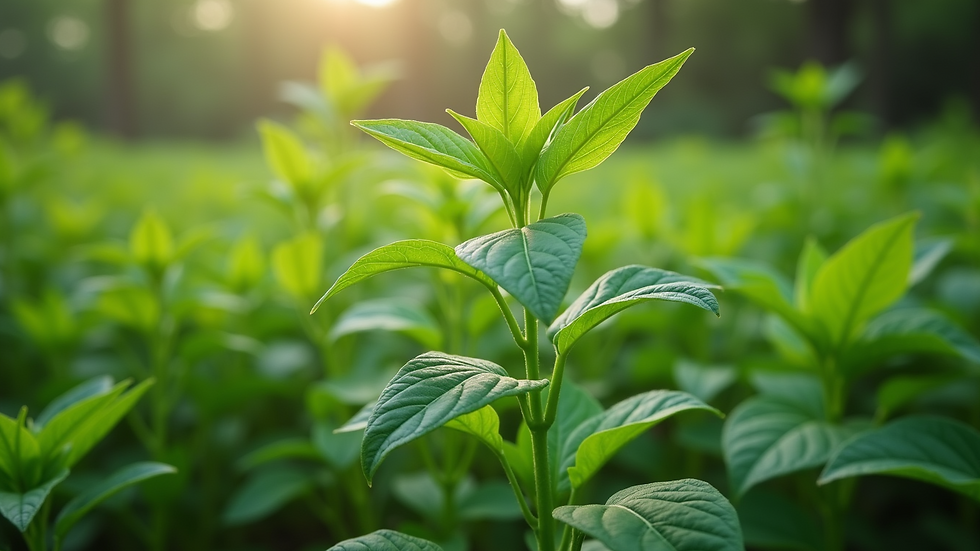
3. Tulsi (Holy Basil)
Tulsi, or Holy Basil, is considered a sacred plant in Ayurveda. It is known for its ability to enhance immunity, reduce stress, and promote respiratory health. Drinking Tulsi tea or using its leaves in cooking can be a simple way to harness its healing properties.
Essential Spices in Ayurveda
1. Ginger
Ginger is a powerful spice known for its digestive benefits. It can help alleviate nausea, improve digestion, and reduce inflammation. Incorporating ginger into your diet, whether in teas or as a spice in cooking, can enhance overall health.
2. Cinnamon
Cinnamon is not just a delicious spice; it also has numerous health benefits. It is known to help regulate blood sugar levels, improve heart health, and possess anti-inflammatory properties. Adding cinnamon to meals or beverages can be a flavorful way to boost health.
3. Cardamom
Cardamom is often referred to as the "queen of spices." It is known for its ability to aid digestion, freshen breath, and enhance mood. Including cardamom in your diet can provide a delightful flavor while promoting overall wellness.
Integrating Herbs and Spices into Daily Life
Incorporating Ayurvedic herbs and spices into your daily routine can be simple and enjoyable. Here are some practical tips:
Herbal Teas: Start your day with a cup of herbal tea made from Ashwagandha, Tulsi, or ginger. This can set a positive tone for the day and provide a health boost.
Cooking: Use spices like turmeric, cinnamon, and cardamom in your cooking. Not only do they enhance flavor, but they also contribute to your health.
Supplements: Consider taking herbal supplements if you find it challenging to incorporate certain herbs into your diet. Always consult with a healthcare professional before starting any new supplement.
Mindful Practices: Pair the use of herbs and spices with mindfulness practices such as yoga or meditation. This holistic approach can enhance the benefits of the herbs and spices.
Conclusion
The healing power of herbs and spices in Ayurvedic medicine is profound and multifaceted. By understanding the unique properties of these natural ingredients, individuals can take proactive steps toward achieving balance and wellness in their lives. Whether through cooking, herbal teas, or supplements, integrating these elements into daily routines can lead to improved health and vitality. Embrace the wisdom of Ayurveda and unlock the potential of herbs and spices for a healthier, more balanced life.


Comments