
Exploring the Rich History of Za'atar Spice Blend with Delicious Recipes
- Matthew Riter
- Dec 25, 2025
- 3 min read

Updated: Jan 27
Za'atar: The Flavorful Spice Blend You Need in Your Kitchen
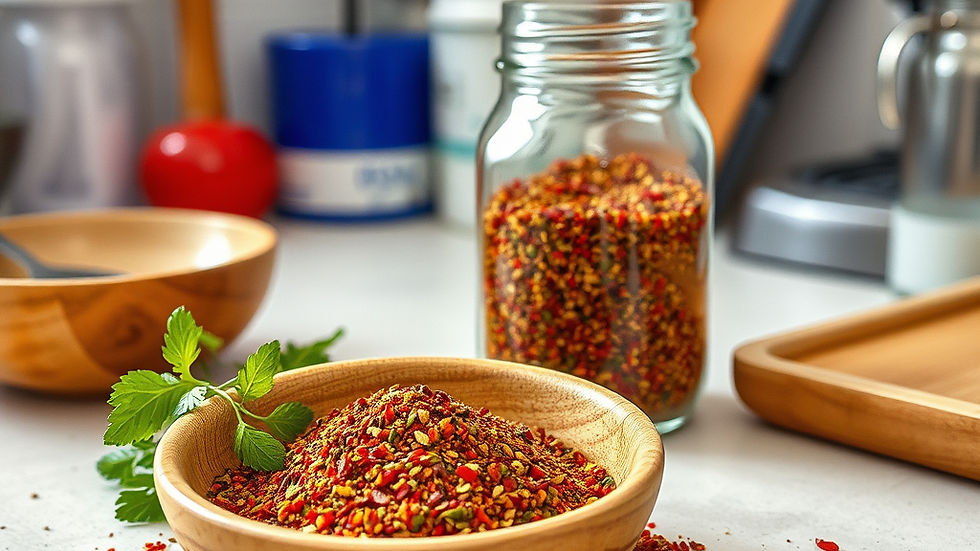
Za'atar is a spice blend that has been a staple in Middle Eastern kitchens for centuries. Its unique combination of herbs, seeds, and spices offers a flavor that is earthy, tangy, and slightly nutty. This blend is not only a seasoning but also a cultural symbol, connecting generations through its rich history and versatile use in cooking.
Origins and Historical Significance
Za'atar’s roots trace back to ancient Levantine civilizations, including the Phoenicians and early Arab cultures. The word "za'atar" refers both to the herb thyme and the spice mixture made from it. Historically, za'atar was prized not only for its flavor but also for its medicinal properties. Ancient texts mention its use for improving digestion and boosting energy.
The blend traditionally includes dried thyme, oregano, marjoram, toasted sesame seeds, sumac, and salt. The exact recipe varies by region and family, reflecting local tastes and available herbs. In some areas, wild hyssop or savory replaces thyme, showing the blend’s adaptability.
Za'atar was often sprinkled on flatbreads, mixed with olive oil, or used as a rub for meats. It became a symbol of hospitality and nourishment, often served to guests as a sign of welcome.
How Za'atar Became Popular Worldwide
Za'atar’s rise beyond the Middle East came with increased global interest in Mediterranean and Middle Eastern cuisines. Its bold yet balanced flavor appeals to many palettes, making it a favorite among chefs and home cooks alike.
Today, za'atar is found in specialty stores worldwide and is used in a variety of dishes, from salads to roasted vegetables. Its health benefits, including antioxidants and anti-inflammatory properties, have also contributed to its popularity.
Recipes to Use Za'atar
Za'atar’s versatility makes it easy to incorporate into everyday meals. Here are some practical and delicious ways to enjoy this spice blend:
Za'atar Flatbread
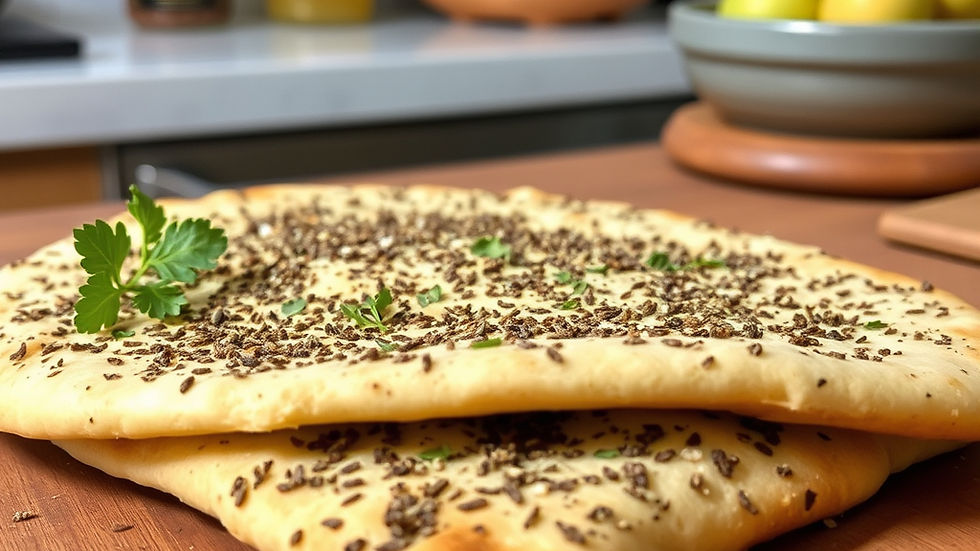
A classic way to enjoy za'atar is on warm flatbread.
Ingredients:
1 flatbread or pita
2 tablespoons olive oil
1 tablespoon za'atar spice blend
Instructions:
Preheat oven to 375°F (190°C).
Brush the flatbread with olive oil.
Sprinkle za'atar evenly over the top.
Bake for 8-10 minutes until the bread is crispy.
Serve warm as a snack or side dish.
This simple recipe highlights za'atar’s flavor and pairs well with fresh vegetables or cheese.
Za'atar Roasted Potatoes
Za'atar adds a fragrant touch to roasted potatoes.
Ingredients:
1.5 pounds young potatoes, halved or quartered
3 tablespoons olive oil
2 tablespoons za'atar
1 tsp garlic powder
1 tsp sea salt
Optional - fresh parsley and lemon juice for garnish
Instructions:
Preheat oven to 400°F (200°C).
Toss potatoes with olive oil, za'atar, salt, and garlic powder.
Spread seasoned potatoes on a baking sheet in a single layer.
Roast for 20 minutes, stir potatoes, then roast for another 15-20 minutes, or until tender and golden brown.
Garnish with fresh herbs and a squeeze of lemon juice.
Serve as a side dish or with a Middle Eastern breakfast spread.
The za'atar enhances the natural earthiness of the potatoes and adds a savory depth.

Za'atar Yogurt Dip
This dip is perfect for snacks or appetizers.
Ingredients:
1 cup plain Greek yogurt
1 tablespoon za'atar
1 teaspoon lemon juice
Salt to taste
Instructions:
Mix yogurt, za'atar, and lemon juice in a bowl.
Add salt to taste.
Chill for 30 minutes to let flavors meld.
Serve with fresh vegetables, pita chips, or grilled meats.
The creamy yogurt balances the herbal and tangy notes of za'atar, creating a refreshing dip.
Tips for Buying and Storing Za'atar
When purchasing za'atar, look for blends with fresh, vibrant herbs and toasted sesame seeds. Avoid pre-ground blends that have been sitting on shelves for long periods, as the flavor can fade.
Store za'atar in an airtight container in a cool, dark place. Proper storage preserves its aroma and taste for up to six months.
Bringing Za'atar Into Your Kitchen
Za'atar is more than a spice blend; it’s a way to connect with a rich culinary tradition. Its bold flavor can transform simple dishes into memorable meals. Whether you sprinkle it on bread, mix it into dips, or use it to season potatoes or vegetables, za'atar offers a taste of history and culture in every bite.
Za'atar can elevate your cooking. So, don't hesitate to explore its many uses.


Comments